Heart Rate training for weight loss
Heart rate training is a powerful tool for weight loss. It uses your heart rate to guide workout intensity. This method helps optimize fat burning and calorie expenditure.
Understanding heart rate zones is key. These zones help tailor workouts to your fitness goals. They range from very light to maximum effort.
Zone 2 is often called the "fat-burning zone." It involves working at 60-70% of your maximum heart rate. This zone is effective for burning fat.
Zone 3 focuses on cardio and calorie burning. It involves working at 70-80% of your maximum heart rate. This zone improves cardiovascular fitness.
Heart rate training can be personalized. Use a calculator to find your training heart rate. This ensures workouts are effective and safe.
Consistency is crucial in heart rate training. It leads to improved endurance and weight loss over time. This method is suitable for all fitness levels.
Heart rate training is more than just exercise. It encourages mindful movement and self-care. This approach fosters a healthy relationship with fitness.
Understanding Heart Rate Training: The Science Behind the Method
Heart rate training tailors workout intensity based on your heart rate. It's a scientific method that maximizes calorie burning and fat loss.
The body uses different energy systems at various heart rate levels. These levels optimize different fitness outcomes.
Here's a simple breakdown:
Low-intensity: Relies on fat as a fuel source.
Moderate intensity: Burns both fat and carbohydrates.
High-intensity: Primarily uses carbohydrates.
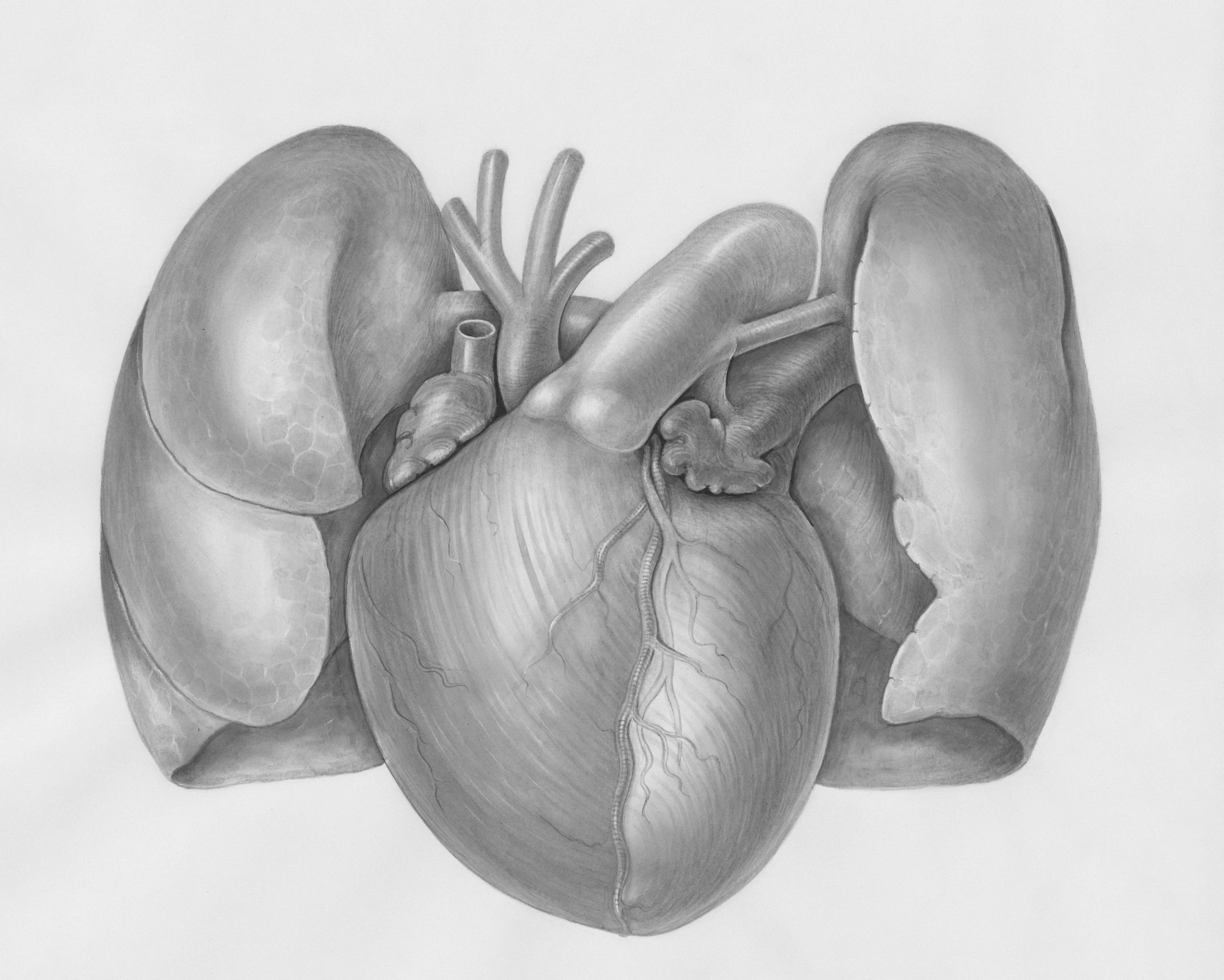
This understanding allows you to target specific zones for weight loss. By focusing on these zones, workouts become more effective and efficient.
Heart rate training is versatile. Whether you run, cycle, or swim, it can be integrated into almost any cardio workout.
This approach is suitable for all fitness levels, from beginners to seasoned athletes. It provides a guide to achieve your goals safely and sustainably.
Incorporating heart rate training into your routine empowers you with knowledge. This knowledge translates to better results and sustained progress.
The Five Heart Rate Zones: What They Mean for Weight Loss
Understanding heart rate zones is key to effective weight loss. Each zone offers unique benefits and targets different energy systems.
There are five primary heart rate zones, each representing a percentage of your maximum heart rate. These zones guide your workout intensity.
Here's a quick look at these zones:
Zone 1: Very light activity.
Zone 2: Ideal for fat-burning.
Zone 3: Optimizes cardio and calorie burning.
Zone 4: Focuses on high-intensity efforts.
Zone 5: Pushing limits for peak performance.
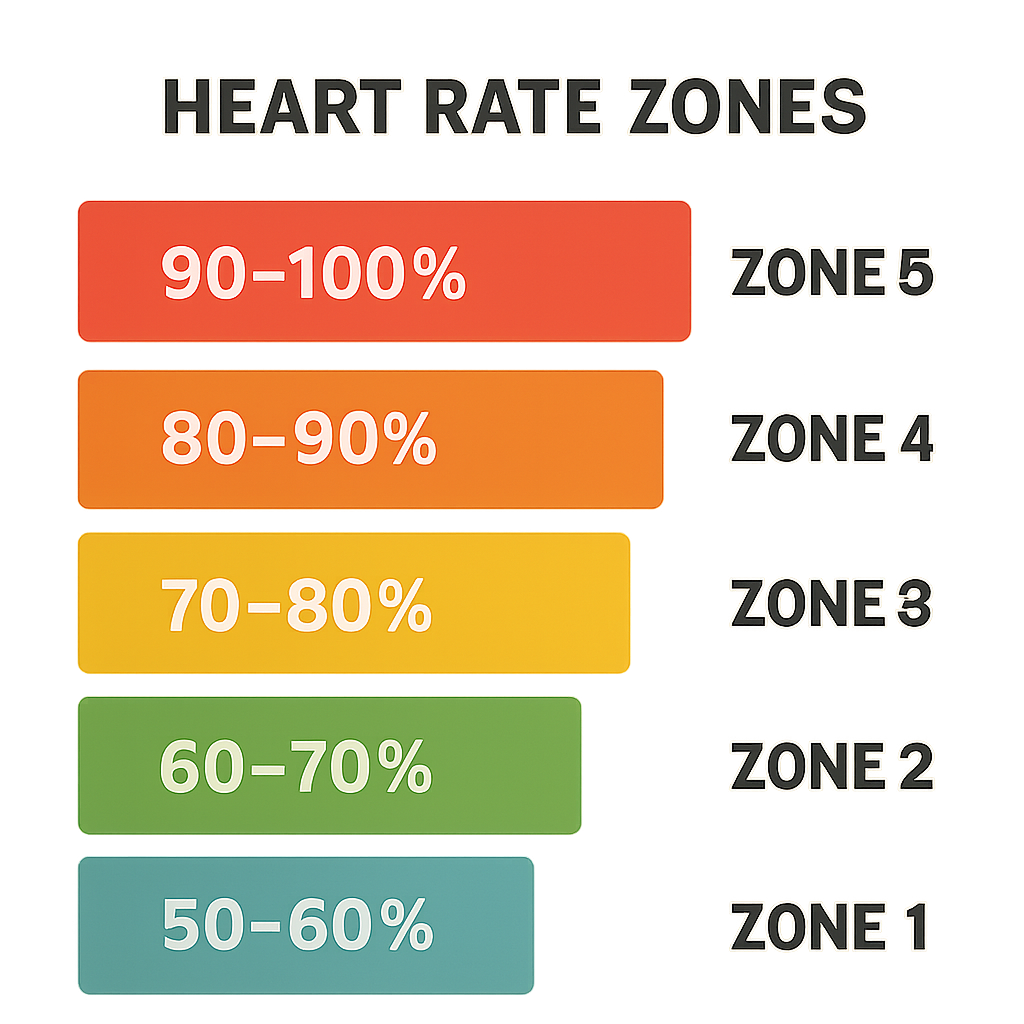
Using these zones allows for a structured approach. It also ensures you work at the right intensity for your goals.
Zone selection depends on your current fitness level and objectives. Those looking to lose weight often prioritize Zone 2 for fat-burning.
Each zone not only affects physical performance but impacts your heart's health. Proper zone training encourages more efficient workouts, minimizing the risk of injury.
Learning to navigate these zones can transform your exercise routine. It turns every minute of effort into progress.
Zone 1: Very Light Activity
Zone 1 is the easiest on your body. Typically 50-60% of your max heart rate, it involves light activities.
This zone promotes active recovery and relaxation. It's ideal for days when your body needs rest, but you still want to move.
Zone 2: The Fat-Burning Zone
Zone 2, at 60-70% of your max heart rate, is where fat-burning is maximized.
When training in this zone, your body uses fat as the primary fuel. It's an efficient way to reduce body fat while improving endurance.
Workouts in this zone are sustainable for longer periods. They allow you to build stamina and maintain a consistent exercise routine.
Zone 3: Cardio and Calorie Burning
Zone 3 is where cardio performance peaks. It's set at 70-80% of your max heart rate and boosts calorie burn.
This zone strengthens the heart and enhances aerobic capacity. It's effective for those looking to increase fitness and lose weight.
Exercises here are more intense but still manageable. They help increase overall workout efficiency and calorie expenditure.
Zone 4: High-Intensity Effort
Zone 4 pushes your limits to 80-90% of your max heart rate. High-intensity efforts challenge your anaerobic capacity.
This zone is perfect for interval training. It increases metabolism and builds muscle strength while incinerating calories.
Sessions in Zone 4 are shorter due to their intensity. They require more recovery but offer substantial fitness gains.
Zone 5: Maximum Performance
Zone 5 represents 90-100% of your max heart rate. It demands the most from your body, reaching peak exertion.
This level is typically used by athletes or during short, high-powered bursts. It's not sustainable for long, requiring significant recovery.
Training in Zone 5 enhances speed, power, and maximum output. It's the ultimate test of your cardiovascular system and resilience.
How to Calculate Your Training Heart Rate for Weight Loss
Calculating your training heart rate is simple and crucial for tailored workouts. It helps ensure you're exercising at an intensity that suits your goals.
First, determine your maximum heart rate (MHR) using the formula: 220 minus your age. This number is the cornerstone of heart rate training.
Once you have your MHR, calculate your target zones. Identify specific percentages for each zone based on your fitness needs.
Here's a breakdown of the heart rate zones calculation:
Zone 1 (50-60% MHR): Ideal for warm-ups and recovery.
Zone 2 (60-70% MHR): Optimizes fat burning.
Zone 3 (70-80% MHR): Enhances cardio and endurance.
Zone 4 (80-90% MHR): For intense training and improved speed.
Zone 5 (90-100% MHR): Maximum exertion for performance gains.
Use these calculations to guide your cardio workouts. Knowing your zones aids in tailoring exercises to your energy levels and goals.
A heart rate monitor can provide real-time feedback. It ensures you stay within your desired zone and optimally burn calories.
Remember, consistency is key. Regularly training at your calculated heart rate can accelerate weight loss and boost overall fitness.
Tools and Technology: Heart Rate Monitors and Calculators
Incorporating technology into your fitness routine can significantly enhance your heart rate training. Heart rate monitors offer precise, real-time data about your workout intensity.
These devices help you stay within your target zones. Many offer alerts when your heart rate exits the desired range. They provide valuable insights into your exertion levels.
Heart rate calculators are another excellent tool. They simplify the process of determining your heart rate zones.
Here's what you can typically find in heart rate calculators:
Maximum Heart Rate (MHR) Calculations
Target Heart Rate Zones based on desired intensity
Customized Workouts Suggestions
Embracing these tools can lead to more effective and enjoyable workouts. They minimize guesswork and enable a focused approach to weight loss.
Whether in a fitness bootcamp or at home, these technologies can empower your journey, making every session count towards your goals.
Heart Rate Training for Interval Workouts and Fitness Bootcamps
Interval workouts bring a dynamic edge to heart rate training. They involve alternating periods of high and low intensity.
This approach boosts calorie burning effectively. Interval training is proven to elevate your heart rate quickly. It keeps your metabolism in overdrive even after exercise.
Fitness bootcamps often utilize this method. They're designed to challenge all fitness levels, making heart rate training accessible.
In such settings, you'll experience an array of exercises. This variety helps maintain interest while promoting heart health.
Here's how heart rate training fits into bootcamps and intervals:
Rapid Heart Rate Elevation: Quick intensity changes spike metabolism.
Variety of Exercises: From cardio to strength, all in one session.
Group Motivation: Encouragement from peers enhances performance.
Integrating heart rate training in these scenarios combines fun with effectiveness. By understanding your zones, you ensure each session maximizes weight loss results. You're not just working out; you're crafting a healthier lifestyle.
Creating a Heart Rate-Based Training Plan for Weight Loss
Developing a heart rate-based training plan is about personalization and strategy. It's crucial to align the plan with your weight loss goals.
Start by determining your maximum heart rate. Use the formula: 220 minus your age. This figure aids in establishing your heart rate zones.
Next, consider your fitness level. Beginners should aim for lower intensity, gradually increasing as endurance builds. Personalization encourages sustainable progress.
Incorporate different heart rate zones into your routine. A balanced plan typically involves:
Zone 1-2 Workouts: Low-intensity, aiding recovery and endurance.
Zone 3 Sessions: Enhance cardio and calorie burning.
Zone 4-5 Activities: Short, intense bouts for advanced fitness gains.
Flexibility in your plan matters too. Adapt it according to your schedule, ensuring consistency isn't sacrificed.
Listen to your body throughout. Fatigue indicates a need for adjustment. This balance of zones and self-awareness fuels both wellness and weight loss. Your heart rate training plan is more than a regimen; it's a pathway to health.
Nutrition, Recovery, and Lifestyle: Supporting Your Heart Rate Training
Pairing heart rate training with proper nutrition maximizes weight loss results. It's essential to fuel your body with the right nutrients.
Focus on a balanced diet rich in proteins, healthy fats, and carbohydrates. These provide energy for workouts and aid recovery.
Adequate hydration is crucial. Water plays a significant role in maintaining optimal heart rate levels during exercise.
Recovery days are as vital as workout days. They prevent burnout and injury. Incorporating rest ensures the body heals and adapts.
A holistic approach to lifestyle significantly supports heart rate training. Consider these tips:
Prioritize Sleep: It repairs muscles and regulates metabolism.
Manage Stress: Techniques like meditation or yoga improve both mental and physical health.
Set Realistic Goals: Achievable targets keep motivation high.
By integrating nutrition, recovery, and positive lifestyle habits, your heart rate training becomes more effective. This comprehensive strategy fosters long-term health and success.
Common Mistakes and How to Avoid Them
Heart rate training for weight loss is an effective approach when done correctly. However, common mistakes can hinder progress.
One frequent error is ignoring rest days. Overtraining leads to fatigue and injury. Remember to include rest in your routine.
Another mistake is not using a heart rate monitor. Guesswork can lead to inaccurate intensity levels.
To ensure success, watch out for these pitfalls:
Skipping Warm-Ups: Increases the risk of injury.
Inconsistent Effort: Hampers consistent progress.
Neglecting Recovery: Limits overall gains and wellness.
By addressing these common mistakes, you increase the effectiveness of your heart rate training and achieve better weight loss results.
Frequently Asked Questions about Heart Rate Training for Weight Loss
Many people have questions about heart rate training. Here are some common inquiries to help you understand this method better.
Is heart rate training suitable for beginners? Yes, it is effective for all fitness levels, including beginners. It ensures you exercise within a safe intensity range.
Wondering if a monitor is needed? While not essential, heart rate monitors provide accurate feedback and can enhance your training.
Common FAQs:
Do I need to train every day?
No, balance exercise with rest.
Can heart rate training improve endurance?
Yes, it develops cardiovascular fitness.
How do I start?
Begin by learning your heart rate zones.
Key Takeaways and Next Steps
Heart rate training can transform your fitness journey. Understanding heart rate zones helps tailor workouts for maximum weight loss and efficiency. This approach not only aids in shedding pounds but also improves overall cardiovascular health.
Key Points:
Zone training optimizes fat and calorie burning.
Consistency and recovery are vital to avoid burnout.
Tools like heart rate monitors enhance accuracy.
Moving forward, apply this knowledge to your training routine. Embrace the process as a path to sustainable wellness. Celebrate the small victories along the way.