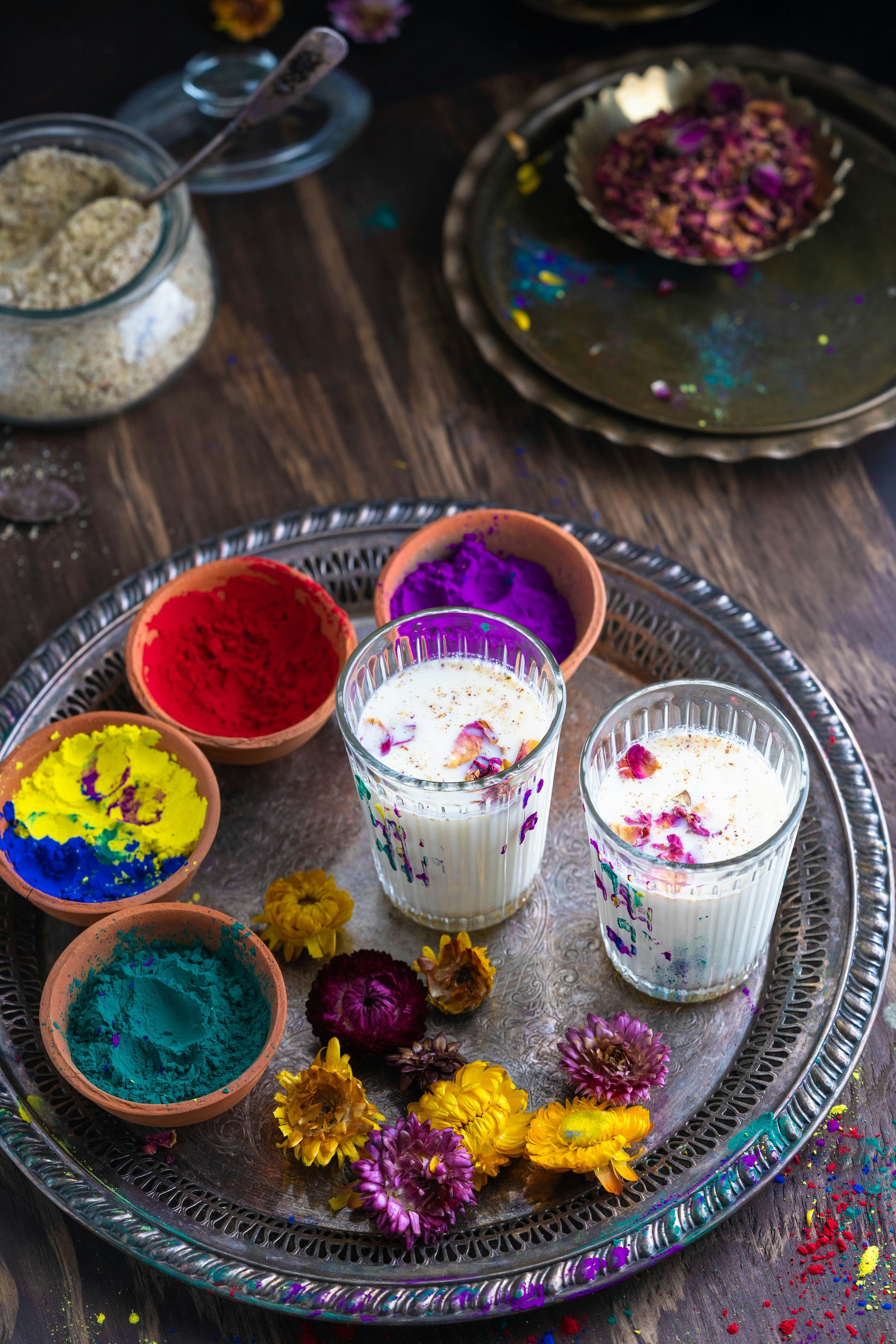
Protein rich vegetarian foods in India
India is a land of vibrant flavors and diverse cuisines. For vegetarians, it offers a treasure trove of protein-rich foods.
Protein is vital for our bodies. It supports muscle growth, repairs tissues, and boosts immunity.
In a vegetarian diet, finding protein sources can be challenging. But India has a rich variety of options.
From lentils to paneer, Indian cuisine is packed with protein. These foods are not only nutritious but also delicious.
Understanding these protein sources can transform your diet. It can lead to better health and well-being.
This guide will explore the best protein-rich vegetarian foods in India. You'll discover how to incorporate them into your meals.
Whether you're a seasoned vegetarian or just curious, this journey will be enlightening. Let's dive into the world of vegetarian protein.
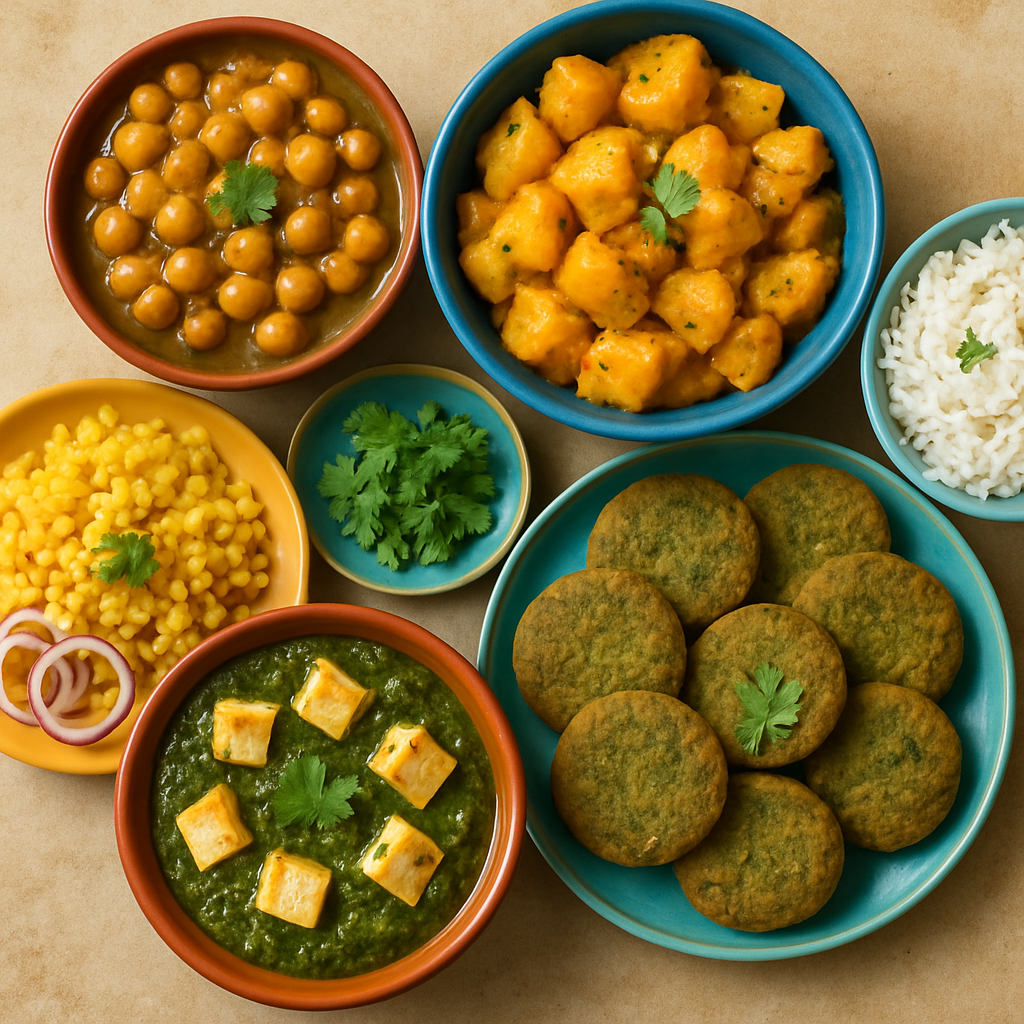
Why Protein Matters in a Vegetarian Diet
Protein plays a crucial role in maintaining our body functions. It supports muscle mass, repairs tissues, and synthesizes hormones. For vegetarians, meeting protein needs requires a thoughtful approach.
A vegetarian diet is often rich in fiber and antioxidants. However, it can sometimes lack sufficient protein. This nutrient is vital for energy levels, mental clarity, and overall health.
For active individuals, protein becomes even more important. It assists in muscle recovery and enhances performance. Eating a variety of protein sources can help meet these increased demands.
In a vegetarian diet, diversity is key to consuming enough protein. Combining different foods ensures all essential amino acids are obtained. Varied meals create a complete protein profile.
Here are a few reasons why protein is essential in a vegetarian diet:
Supports growth and maintenance of body tissues
Enhances immune function and protects against illnesses
Contributes to a feeling of fullness, aiding in weight management
Ultimately, incorporating diverse protein sources enriches a vegetarian diet. It balances nutrition while ensuring body and mind wellness.
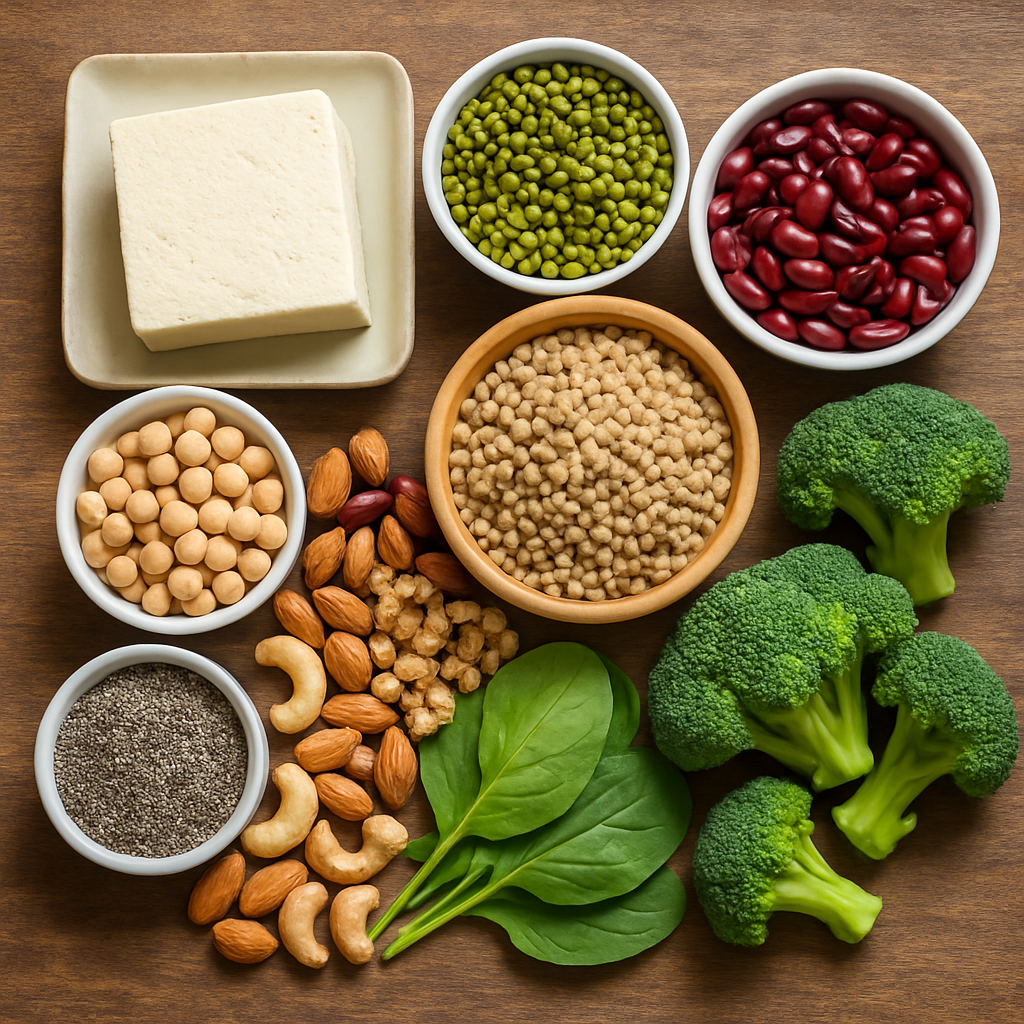
Understanding Protein Needs: How Much Do You Really Need?
Determining protein needs is crucial for optimal health. Each individual requires a different amount. Factors like age, activity level, and health goals influence these needs.
In general, sedentary adults need about 0.8 grams of protein per kilogram of body weight. Active individuals may require more. The range can extend to 1.2-2.0 grams per kilogram for athletes.
Vegetarians must pay attention to protein quality. Plant proteins often lack one or more essential amino acids. Combining various sources can bridge this nutritional gap.
Here are factors influencing protein requirements:
Age and growth phases
Physical activity levels
Health and recovery needs
It's wise to consult a nutrition expert to personalize protein intake. A tailored approach ensures that diet supports your lifestyle and wellness aspirations.
Top Protein Rich Vegetarian Foods Indian Cuisine Offers
Indian cuisine is rich with high-protein vegetarian foods. These ingredients make meals both nutritious and delicious. Each has its unique taste and nutritional profile.
Lentils and pulses form the backbone of many Indian dishes. They are affordable and packed with protein. Pulses like masoor, moong, and urad dal are staples.
Chickpeas and beans are versatile and nutrient-dense. They can be used in salads, curries, and snacks. Rajma and chole are popular choices in Indian households.
Paneer and other dairy products are beloved traditional foods. They provide a good source of protein. Paneer dishes are celebrated across various Indian cuisines.
Soy products like tofu and tempeh are gaining traction. They serve as excellent meat substitutes. These options are crucial for vegans and vegetarians alike.
Nuts and seeds offer protein alongside healthy fats. Almonds, flaxseeds, and chia seeds are excellent choices. They can be added to both meals and snacks.
High protein vegetables hold a unique place in Indian meals. Spinach, green peas, and broccoli are some examples. They enhance both taste and nutrition.
Here’s a summary of protein-rich ingredients in Indian cuisine:
Lentils and pulses
Chickpeas and beans
Paneer and dairy
Soy products
Nuts and seeds
Protein-packed vegetables
Lentils and Pulses: The Heart of Indian Protein
Lentils and pulses are essential in Indian cooking. They are rich protein sources vital for vegetarians. Known as "dal," they are cost-effective and nourishing.
Popular varieties include moong, masoor, toor, and chana dal. Each offers distinct flavors and health benefits. Their versatility allows for a range of dishes.
Including these in the diet provides fiber and iron. They support digestive health and energy levels. They're easy to prepare, making them convenient for home cooks.
Here are a few benefits of lentils and pulses:
Rich in protein
High in fiber
Source of iron
Their protein content aids muscle growth and repair. They fit into many meals, from soups to main courses. Lentils are indeed the heart of protein in Indian cuisine.
Chickpeas and Beans: Versatile Protein Powerhouses
Chickpeas, or chana, are versatile and protein-rich. They find their place in salads, curries, and snacks. Their nutty flavor enhances any dish.
Beans like kidney beans and black beans add variety. Rajma is a beloved bean dish across India. These beans are loaded with nutrients beneficial for health.
They offer a mix of protein and fiber. This supports digestive health and keeps you full longer. Including them in meals enhances both taste and nutrition.
Benefits of chickpeas and beans include:
High protein content
Rich in fiber
Versatile in cooking
Their versatility and taste make them a staple. They can easily be incorporated into any vegetarian diet. Chickpeas and beans are indeed protein powerhouses.
Paneer and Dairy: Traditional High Protein Foods
Paneer is a staple in Indian vegetarian cuisine. This Indian cheese is high in protein and flavor. It's used extensively in curries, snacks, and salads.
Dairy products like yogurt and milk also provide protein. They are integral to many Indian meals. These foods support bone health and muscle repair.
Dairy offers a complete profile of amino acids. This makes them valuable in a vegetarian diet. They also contain essential vitamins and minerals.
Benefits of paneer and dairy include:
High protein content
Rich in calcium
Source of essential amino acids
Paneer adds creaminess and texture to dishes. From paneer tikka to palak paneer, it's versatile. Dairy remains a reliable protein source for vegetarians.
Soy Products: Tofu, Tempeh, and Beyond
Soy products are key protein sources for vegetarians. Tofu and tempeh offer substantial protein content. They're alternatives to meat in many recipes.
Tofu is mild in flavor and absorbs spices well. Tempeh has a firmer texture, making it versatile. These foods contribute protein and essential nutrients.
Benefits of soy products include:
High protein content
Plant-based source
Versatile in recipes
Incorporating soy can meet protein needs. Soy products are growing in popularity in India. They are foundational in a balanced vegetarian diet.
Nuts and Seeds: Small but Mighty Protein Sources
Nuts and seeds are compact sources of protein. Almonds, walnuts, and chia seeds top the list. They're enjoyed as snacks or meal additions.
They offer protein, healthy fats, and vitamins. Seeds like flaxseeds and sunflower seeds are nutrition-packed. A handful can boost protein intake significantly.
Benefits of nuts and seeds include:
Rich in protein
Source of healthy fats
Packed with vitamins and minerals
Incorporating these can enhance overall diet quality. They are small yet mighty in their impact. Nuts and seeds are vital in a vegetarian protein plan.
Protein-Packed Vegetables: High Protein Veggies in Indian Meals
Certain vegetables are great protein sources. Spinach, broccoli, and green peas lead the way. These veggies complement Indian dishes beautifully.
They provide protein along with vital nutrients. Their inclusion enhances both taste and nutritional value. Vegetables are integral to varied protein intake.
Benefits of protein-packed vegetables include:
Source of protein
High in vitamins and minerals
Low in calories
Including these ensures a well-rounded diet. They offer nutrition and vibrancy to meals. High protein veggies are essential in Indian vegetarian cooking.
Ancient Grains and Millets: Forgotten Protein Treasures
Ancient grains are rich protein treasures. Quinoa and amaranth offer high protein content. Millets like ragi and bajra are equally nutritious.
These grains provide protein and fiber. They support health and satiety. They are traditional grains finding renewed attention.
Benefits of ancient grains and millets include:
High in protein
Rich in fiber
Source of essential minerals
Incorporating these can diversify protein sources. They are versatile in porridge, bread, and more. These grains are nutritious and satisfying additions.
Unique Indian Protein Sources: Amaranth, Moringa, and More
India offers unique protein-rich foods. Amaranth and moringa are examples. These foods are traditional yet nutrient-dense.
Amaranth is protein-rich and versatile. Moringa leaves are packed with nutrients and protein. Both are superfoods in their own right.
Benefits of these unique sources include:
High protein content
Rich in micronutrients
Versatile in use
Utilizing these expands protein options. They are not only rich in protein but also flavorful. Embrace these Indian treasures in your vegetarian diet.
Combining Foods for Complete Protein: Smart Vegetarian Diet Planning
To achieve a complete protein profile, combine different foods. Most plant-based proteins lack one or more essential amino acids. Blending diverse sources ensures a full amino acid spectrum.
Mixing grains and legumes is a smart strategy. This combo delivers all essential amino acids efficiently. Consider pairing rice with lentils for a wholesome meal.
Incorporate nuts and seeds into grain dishes. This enhances both flavor and nutritional value. Adding almonds to a quinoa salad is a tasty choice.
Use dairy or soy products to round out meals. These are high in protein and complement a vegetarian diet. Adding tofu to stir-fried vegetables enriches the dish.
Here are some pairing suggestions to try:
Rice and lentils
Quinoa and nuts
Tofu with vegetables
By diversifying your diet, you boost protein quality. This approach not only meets but also enriches your nutritional needs. Smart food combinations make vegetarian eating both satisfying and balanced.
High Protein Vegetarian Meals: Indian Recipes and Ideas
Creating high-protein vegetarian meals doesn't have to be complex. Indian cuisine offers a treasure trove of options. Let's explore a few satisfying recipes.
Start your day with protein-rich breakfasts like besan chilla and sprout salad. Both are easy to make and delicious. These meals are protein-packed and energizing.
For lunch, consider rajma (kidney bean curry) with brown rice. Rajma is not only high in protein but also comforting. When paired with brown rice, it forms a complete protein meal.
Dinner can feature a hearty tofu curry or soya chaap masala. These dishes are full of flavor and plant-based protein. They make for a fulfilling dinner experience.
Quick High-Protein Indian Breakfast Ideas
Besan Chilla: Chickpea flour pancake.
Sprout Salad: Mixed sprouts with veggies.
Satisfying Lunch and Dinner Options
Rajma with Brown Rice: Kidney bean curry.
Tofu Curry: Protein-rich and flavorful.
Indian cuisine's versatility allows for endless adaptations. By mixing ingredients creatively, you ensure a balanced diet. Savor these meals while meeting your protein goals.
Tips for Boosting Protein Intake on a Vegetarian Diet
Increasing protein intake doesn't have to be a chore. Small changes can make a significant impact. Here's how you can do it with ease.
Start by including protein in every meal. Think of ways to add beans, lentils, or nuts. These are excellent and easy options.
Diversity is key in a vegetarian diet. Mix different protein sources for variety and balance. This approach keeps meals interesting.
Quick Tips to Enhance Protein:
Snack on nuts or seeds.
Add lentils to soups and stews.
Incorporate quinoa in salads.
Simple tweaks lead to substantial results. Consistently incorporate these tips for a fulfilling diet. You'll meet your protein goals effortlessly.
Common Myths About Protein in Vegetarian Diets
Misconceptions about protein in vegetarian diets abound. Many believe vegetarians can't get enough protein. This is simply untrue with proper planning.
It's also mistakenly thought that plant proteins are inferior. In reality, plant proteins can be just as valuable. Understanding how to combine them is key.
Common Protein Myths:
Plant proteins lack essential amino acids.
Vegetarians can't build muscle.
Dairy is the only vegetarian protein source.
These myths can deter healthy eating. A well-planned vegetarian diet can easily meet protein needs. Awareness and education are essential.
Frequently Asked Questions: What Are the Protein Rich Vegetarian Foods?
Curious about protein-rich vegetarian foods? You're not alone. Many seek vegetarian protein options but don't know where to start.
Key Protein-Rich Foods:
Lentils and beans
Paneer and soy products
Nuts, seeds, and grains
These foods offer diverse flavors and textures. They also provide essential nutrients for a balanced diet. Understanding vegetarian protein sources helps in planning nutritious meals.
Including a variety of protein foods is vital. It ensures a well-rounded diet. Enjoy exploring the wealth of vegetarian protein options available.
Conclusion: Embracing Protein Rich Foods for a Balanced Vegetarian Life
Embracing protein-rich vegetarian foods promotes both health and vitality. These foods fuel the body and mind, enhancing daily well-being.
A varied vegetarian diet supports muscle function, boosts immunity, and enhances life quality. Explore the rich, diverse protein options in Indian cuisine to achieve these benefits.
Incorporating these foods fosters a love for nutritious eating. It ensures a balanced, fulfilling vegetarian lifestyle. Celebrate the journey to enhanced health and wellness with each meal choice.