Weight loss or transformation plateau what it is why it happens and how to break through it
Starting a weight loss journey is a transformative experience. Yet, many encounter a common hurdle: the weight loss plateau.
This plateau can feel like an insurmountable wall. Despite your best efforts, progress seems to stall.
Understanding this phenomenon is crucial. A weight loss plateau is a natural part of the process. It signals a need for reassessment and adaptation.
Plateaus occur for various reasons. Metabolic adaptation, lifestyle factors, and even psychological barriers can play a role.
But fear not, breaking through a plateau is possible. With the right strategies, you can reignite your progress and motivation.
This guide will explore the causes of plateaus and offer actionable solutions. Together, we'll navigate this challenge with resilience and self-compassion.
What Is a Weight Loss Plateau?
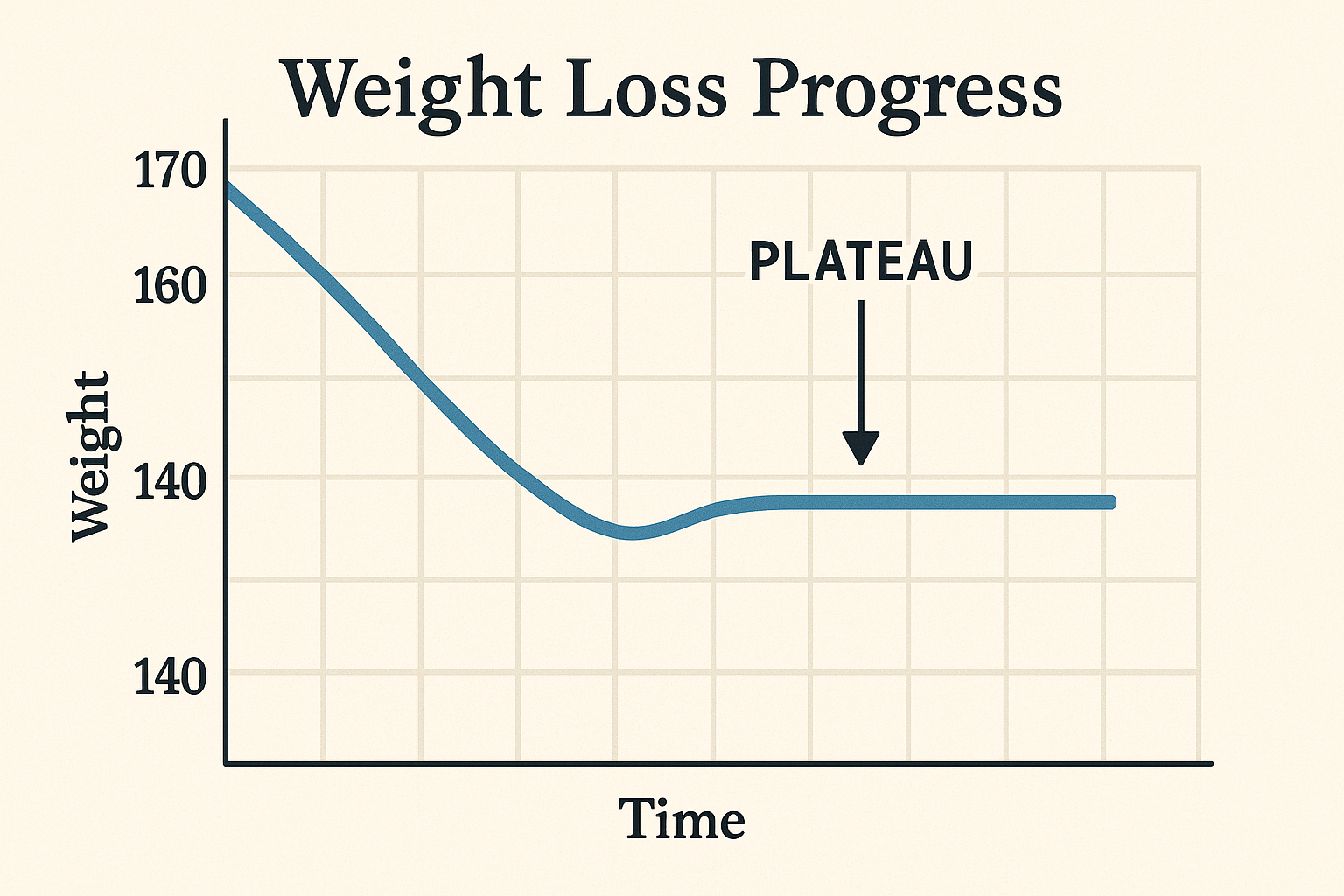
A weight loss plateau is a period during which weight loss stalls, despite consistent efforts. During this time, the scale might not budge, leading to frustration and confusion.
Plateaus are a common phase in any weight loss journey. They serve as a reminder that transformation is not always linear. These pauses are natural and not a reflection of failure.
Understanding the weight loss plateau meaning can empower your approach. It's essential to view this phase as a temporary pause rather than an endpoint. This mindset shift is vital for maintaining motivation and perseverance.
Key characteristics of a weight loss plateau include:
No weight change for 3-4 weeks
Consistent diet and exercise without results
Emotional feelings of frustration or discouragement
By understanding what a weight loss plateau is, you can better prepare for and manage it. This knowledge sets the stage for exploring the causes and ultimately, overcoming it.
Why Do Weight Loss Plateaus Happen?
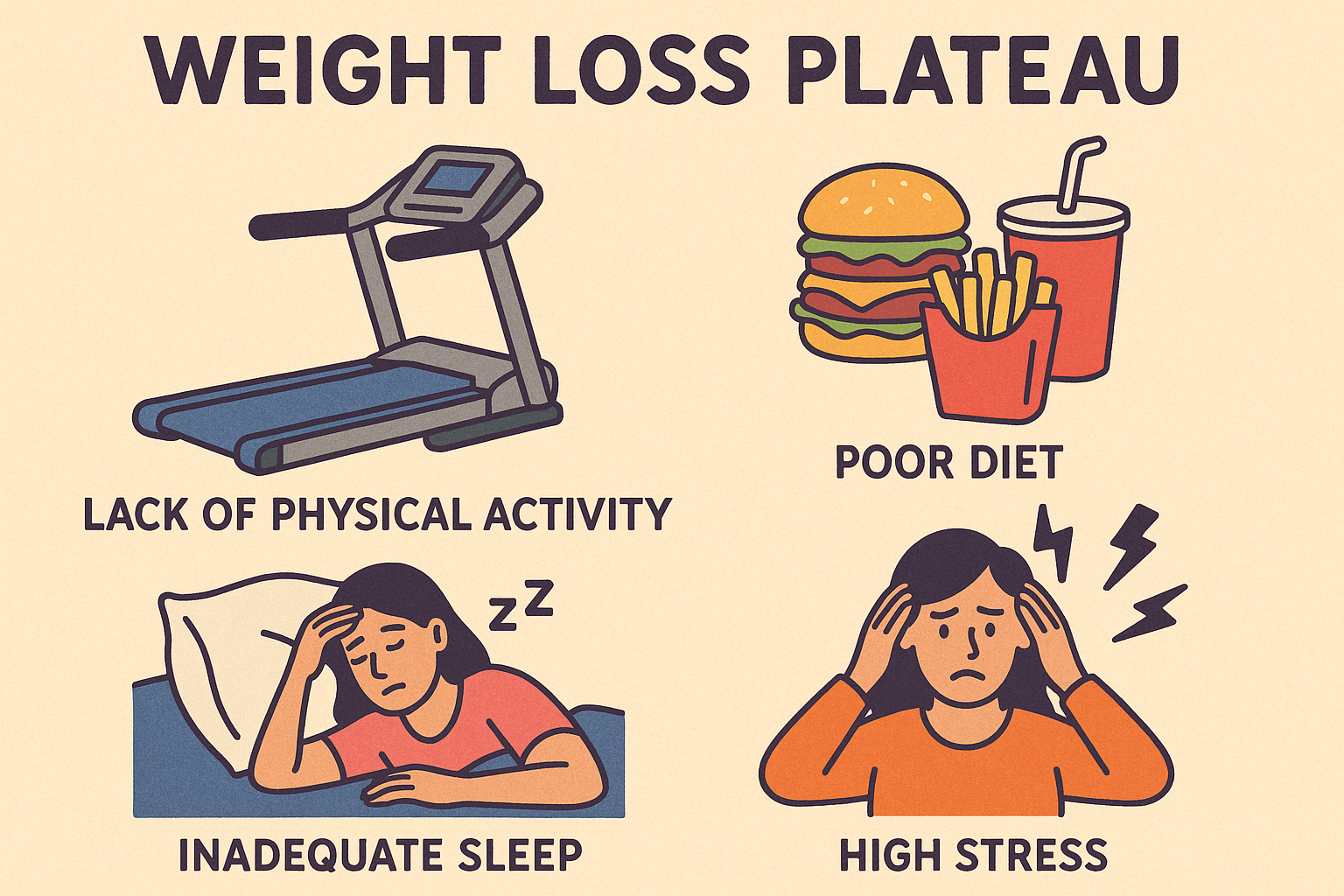
Understanding why weight loss plateaus happen can alleviate some of the frustration they bring. Various factors contribute to this phenomenon, all of which require attention.
Metabolic adaptation is a common cause. As you lose weight, your metabolism may slow to conserve energy, leading to a plateau. This biological adaptation can be unexpected.
Reduced physical activity is another reason. Sometimes, as routines become habitual, the body becomes efficient, burning fewer calories. This efficiency, while beneficial, can hinder weight loss progress.
Dietary inconsistencies also play a role in plateau formation. Subtle changes in calorie intake can accumulate, affecting overall progress. Careful monitoring is crucial to pinpoint these shifts.
Psychological aspects are often overlooked. Stress, lack of motivation, and emotional eating can disrupt progress. Addressing mental well-being is integral to overcoming these hurdles.
Common triggers for a weight loss plateau include:
Metabolic adaptation
Routine physical activity
Dietary inconsistencies
Psychological factors
Understanding these causes gives insight into this challenging phase. Recognizing these elements allows you to devise personalized strategies to reignite progress effectively.
How Many Weeks Is Considered a Weight Loss Plateau?
In the realm of weight management, defining a plateau requires patience and observation. A common threshold is three to four weeks with no weight change, despite maintaining diet and exercise efforts. If there is no movement on the scale during this period, it's likely you've encountered a plateau.
This timeframe allows for normal weight fluctuations due to factors like water retention. Thus, it's crucial to differentiate a temporary pause from a genuine plateau. Analyzing progress over several weeks helps clarify the situation.
Remember, short-term stasis does not necessarily signify failure. Viewing it as an opportunity to reassess and refine your approach can transform the experience positively.
The Science Behind Plateaus: Metabolism, Set Point, and Adaptation
Understanding the science behind weight loss plateaus can demystify this common hurdle. At the core is your metabolism, which plays a crucial role in energy expenditure. As you lose weight, metabolism often slows, making further weight loss challenging.
The body’s natural "set point" theory suggests a pre-determined weight range it tries to maintain. When weight drops below this range, the body adapts by conserving energy. This adaptation can lead to a plateau, as calorie burning decreases to preserve energy reserves.
Several mechanisms contribute to this adaptation:
Reduced Metabolic Rate: Lower calorie needs due to weight loss.
Decreased Spontaneous Activity: Less movement as energy levels dip.
Higher Hunger Hormone Levels: Increased appetite to regain weight.
Despite the setback, a plateau signals an opportunity to reassess habits. By understanding these scientific principles, you can adjust strategies effectively.
Recognizing these elements sheds light on why plateaus occur and offers insight into personalized solutions. Embrace this knowledge as a valuable tool in your journey.
Common Triggers: Diet, Exercise, and Lifestyle Factors
Weight loss plateaus can often be traced back to changes in diet, exercise, or lifestyle. An inconsistent diet is a common culprit. Skipping meals or indulging frequently can hinder progress.
Exercise routines can also stagnate progress. Repetition can lead your body to adapt, reducing effectiveness. A lack of challenge in workouts can contribute to a plateau, despite effort.
Lifestyle factors like sleep and stress levels significantly affect weight loss. Chronic stress can increase cortisol, a hormone that promotes fat storage. Poor sleep impacts metabolism and cravings, making it hard to maintain a deficit.
Key triggers include:
Inconsistent Calorie Intake: Frequent overeating or undereating.
Lack of Workout Variation: Repeating the same exercise routine.
High Stress Levels: Elevated cortisol affecting metabolism.
Identifying these triggers allows for targeted adjustments. Diverse workouts, stress management, and consistent meals can break through a plateau. Addressing these areas ensures a more balanced approach to continued transformation.
Female Weight Loss Plateau: Unique Challenges and Solutions
Women may face distinct challenges in breaking a weight loss plateau. Hormonal fluctuations, particularly those related to menstrual cycles, can significantly affect weight loss efforts. These hormonal changes can impact both mood and metabolism, sometimes resulting in temporary weight gain or stalled progress.
Moreover, societal pressures often exacerbate these challenges, influencing women's perceptions of success and failure. Focusing on these external pressures can sap motivation and lead to frustration. It's crucial for women to recognize that natural variations in weight are normal and not indicative of failure.
Tailoring strategies to accommodate these unique hurdles can make a difference. Solutions include:
Listening to Your Body: Adjusting efforts based on energy levels.
Prioritizing Balance: Combining stress management with tailored fitness.
Celebrating Non-Scale Victories: Focusing on overall well-being improvements.
Emphasizing a holistic approach can foster lasting results and self-compassion.
How to Break a Weight Loss Plateau: Actionable Strategies
Breaking through a weight loss plateau requires a blend of strategy and patience. The first step is to reassess your current habits with a keen eye. This involves looking into your daily routine for areas needing adjustment.
Begin by revisiting your calorie intake. Over time, as you lose weight, your body needs fewer calories. Altering your caloric intake to align with your current weight can help restart progress.
Incorporate variety into your fitness regime to engage different muscle groups. If you've been focusing mainly on cardio, adding strength training can revitalize your metabolism.
Change Your Workout: Try new exercise routines regularly.
Intensity Matters: Increase workout intensity for better results.
Mindful eating is another vital component. Keep track of not only what you eat but how it affects your body and mind. Ensure you're consuming a balanced diet rich in whole foods.
Adequate hydration can also play a pivotal role. Sometimes what feels like hunger is actually thirst, so drink water regularly throughout the day.
Protein Intake: Boost protein to support muscle mass.
Get Enough Sleep: Prioritize rest for optimal recovery.
by Toa Heftiba (https://unsplash.com/@heftiba)
Embrace these changes with a flexible mindset, understanding that each small step contributes to significant progress. Remember, these strategies not only aim to break a plateau but also enhance overall wellness and resilience.
Mindset Matters: Motivation, Resilience, and Self-Compassion
Enduring a weight loss plateau tests mental strength, making mindset crucial. Motivation can fluctuate, but fostering resilience keeps you moving forward.
Self-compassion acts as a powerful ally. Embrace the journey as one of growth, not just physical change.
Celebrate Small Wins: Recognize non-scale achievements.
Practice Self-Care: Daily rituals of kindness enhance mindset.
Set Realistic Goals: Break big goals into manageable actions.
by Yash Pratap Singh (https://unsplash.com/@hasmukhlaal)
Acknowledge that setbacks are part of the process. Approaching each challenge with patience fuels long-term success, keeping your journey both enriching and sustainable.
Tracking Progress Beyond the Scale
Focusing solely on the scale can be misleading. There are other ways to gauge progress, offering a fuller picture of your transformation journey.
Explore these alternative metrics:
Measurements: Track changes in inches around your waist, hips, and chest.
Fitness Levels: Record improvements in strength, endurance, and flexibility.
Energy Levels: Note daily energy and mood fluctuations.
by Alin Gavriliuc (https://unsplash.com/@alingavriliuc)
Recognize progress in how you feel and perform daily tasks. This holistic view encourages a more positive and motivated mindset, keeping momentum in your journey.
When to Seek Professional Guidance
If a plateau persists despite your best efforts, it might be time for expert advice. Professionals can offer tailored insights based on your unique situation.
Consulting with a healthcare provider or a certified trainer ensures you address potential underlying issues. This guidance enhances both safety and effectiveness in your journey.
Key Takeaways and Next Steps
Embrace plateaus as a normal part of your transformation journey. They provide a chance to recalibrate and enhance your strategies. Approach them with patience and persistence.
Here's a concise roadmap for overcoming a plateau:
Reassess your calorie intake and expenditure.
Diversify your exercise routines and incorporate strength training.
Practice mindful eating and adjust macronutrient ratios.
Prioritize sleep, hydration, and stress management.
Transformative change is a journey, not a sprint. Stay committed and celebrate your progress.
